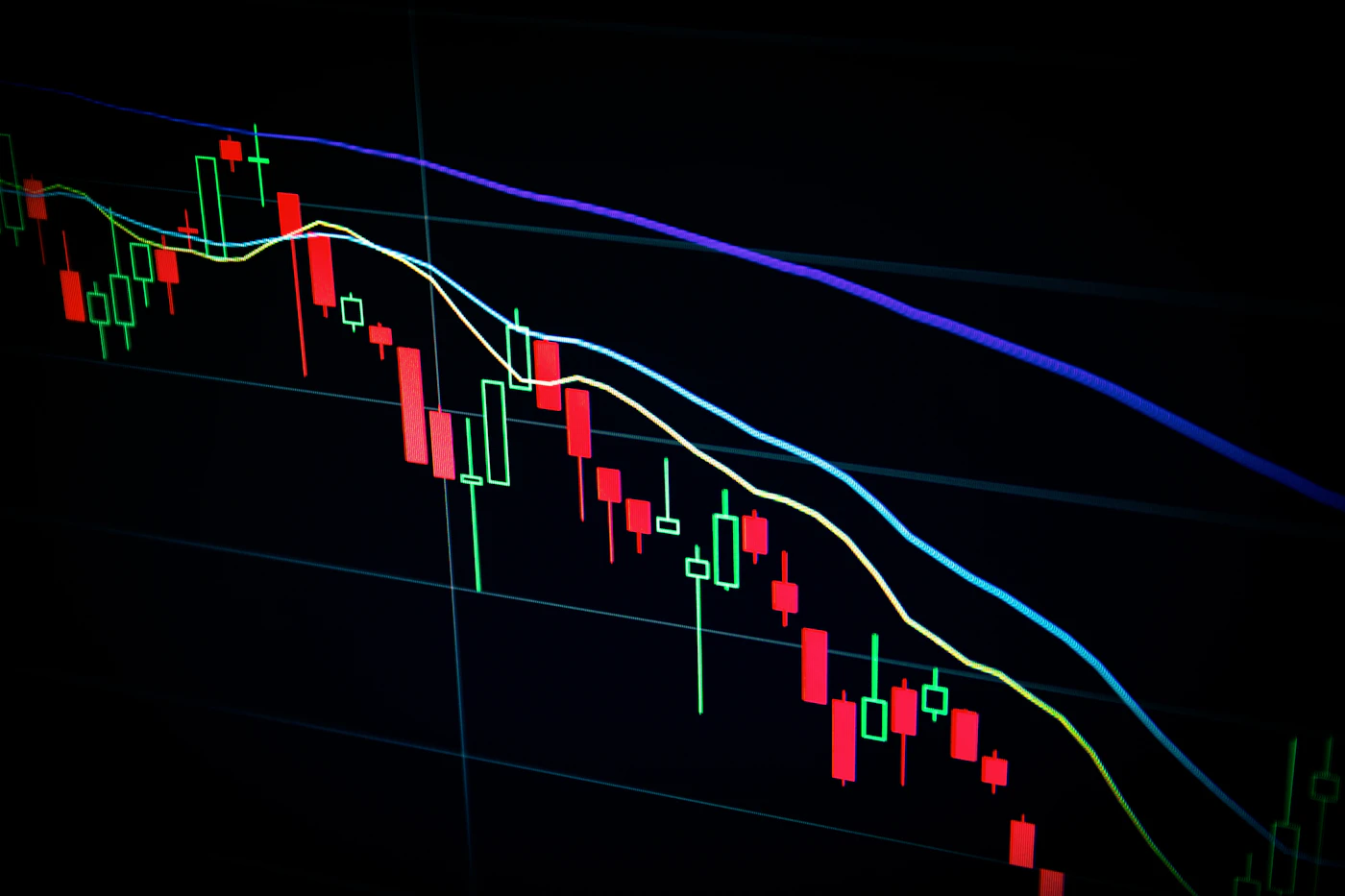
Signal versus noise when the board wants certainty
Boards rarely ask for a probability distribution. They ask whether the plan will hold. That pressure is exactly where predictive decision systems either mature or collapse into theatre.
In our Forecast Decision Lab, we treat “certainty requests” as a design problem. The room needs a number it can act on — and a boundary that says when that number no longer applies. Without the boundary, every spike in a chart becomes a new emergency.
Separate the decision from the desire for comfort
Start by naming the decision: hire, buy, pause, or launch. Then name the horizon. A seven-day replenishment call and a six-month capacity call should never share the same confidence language. When leaders blur those horizons, noise masquerades as signal because short-term volatility gets projected onto long-term plans.
Make silence expensive
Assumption logs work when updating them is cheaper than arguing from memory. We ask teams to timestamp three things: what must be true, who owns that belief, and what evidence would invalidate it. The log is not bureaucracy — it is a firebreak against narrative drift.
Present ranges without apology
In GB organisations we often see forecasts rounded into false precision for slide decks. Teach stakeholders to read a band: expected path, stretch, and stress. Pair each band with a pre-agreed action. If the stress band triggers, the action is already owned — the meeting does not invent policy under adrenaline.
Signal is whatever reduces surprise for a named decision. Noise is everything else, however visually impressive. Business analytics for predictive decision systems earns its keep when it protects that distinction week after week.